
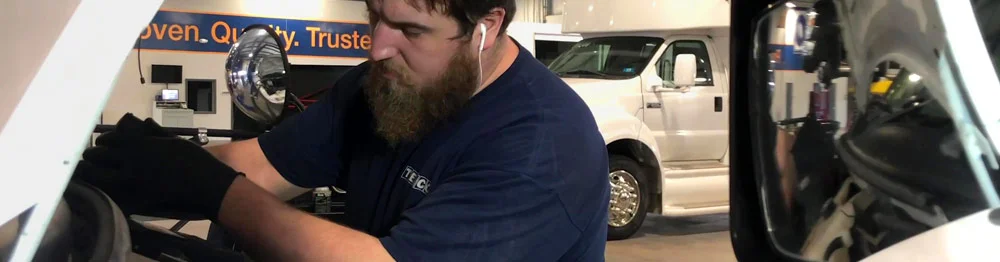
What is a Pre-Trip Inspection?
Pre-trip inspections are a form of preventative maintenance for fleet management. Before a trip, you must conduct a thorough examination of a commercial vehicle to determine whether it is safe to drive. According to the Federal Motor Carrier Safety Administration (FMCSA), a driver must be content with the vehicle's condition before operating. While inspecting, report any defects to be repaired before the next trip. These precautionary measures are necessary to keep the driver and passengers safe. Completing your due diligence helps prevent any accidents while on the road.
What Does a Pre-Trip Inspection Entail?
A pre-trip inspection calls for many steps, which depends on your specific vehicle. Ultimately, you should check the entire vehicle's exterior and interior for any signs of defects. During this stage, take photos of all sides of the bus, so you can refer to the vehicle's condition in your post-trip inspection. A proper pre-trip inspection should also cover the engine, driver's compartment, and brake tests.
A pre-trip inspection should also include a test of the wheelchair lift to ensure proper operation. For manual lifts, it is ideal to assess weekly, and daily for electric lifts. Survey the lift to make sure that the vehicle has all the hardware necessary to safely secure wheelchair riders. This must include four floor straps and one seatbelt per wheelchair passenger.
Before completing a pre-trip inspection, guarantee the vehicle has at least a half tank of fuel. Maintaining a consistent fuel level in your bus or van helps optimize its fuel economy. This task also lowers the risk of running out of fuel while on the road. During this process, check the fuel gauge and visually inspect the fuel tank for any leaks or damage. Finally, securely fasten the fuel cap.
What is a Post-Trip Inspection?
During a post-trip inspection, make sure there are no passengers left on board. Especially with larger buses, it is possible to miss a sleeping passenger who did not exit in time. Additionally, scan the bus for abandoned items and take care of any garbage left behind. Post-trip is also a suitable time to fuel up, so ensure there is at least half a tank left for the next time. Finally, as mentioned in the pre-trip inspection, it is wise to take photos of the exterior of your vehicle. This may help track any damage done mid-trip and be good for recordkeeping.
Contact Your Employer for Questions on Pre- and Post-Trip Inspections
To find specific pre- and post-trip inspection lists, check with your employer. As mentioned above, each vehicle will need its own specific list as factors may change.
Call TESCO, the leader in bus sales in Northwest Ohio, at 800.227.3572 to speak with a sales representative. You may also fill out an information request form to have an associate contact you directly.